
FAMOUS ARTIST Vasiliy Demitkin
‘’People love mystery, and that is why they love my paintings.’’ Salvador Dalí
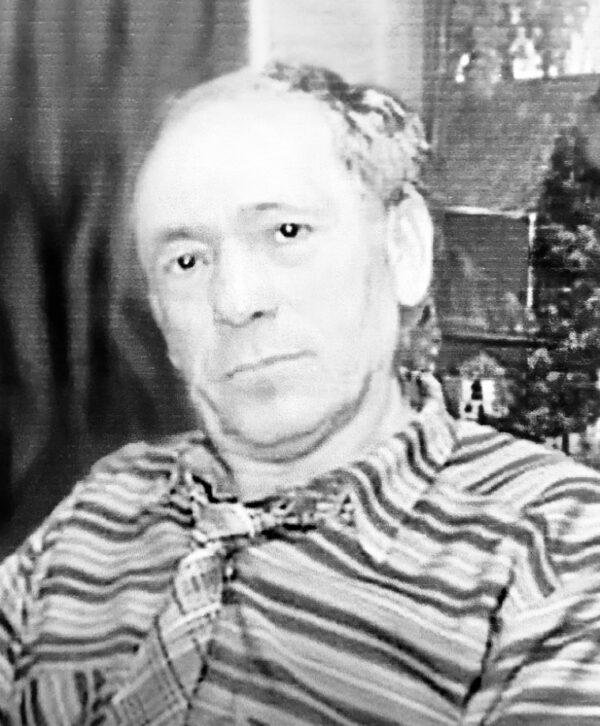
Vasiliy Demitkin was born in Moscow in 1937. After World War II lost he is parents and was raced in multiple orphanages.
From early age he moved into different reality as world around him wasn’t beautiful or pleasant.
Discover the Legacy of Vasiliy Demitkin – A Master of Russian Art
Art was not just a passion for Vasiliy Demitkin; it was his life, his desire, and ultimately his destiny. In 1970, he earned his college degree in art, marking the beginning of a distinguished career that would shape the Russian art world. Soon after, he began showcasing his artwork in multiple prestigious expositions throughout Russia, establishing himself as a prominent figure in the contemporary art scene.
His talent and unique artistic vision earned him invitations to participate in significant exhibitions hosted by MOCHA (Moscow Museum of Contemporary Art), where he was featured in both spring and fall large-scale exhibitions. His work also gained recognition in the world of cinema, as he collaborated with one of Russia’s largest film studios, Mosfilm, contributing his artistic touch to film productions that defined Russian cinema.
In 1998, Vasiliy Demitkin was honored to become a member of the International Art Fund, further solidifying his international reputation. His masterpieces have since become sought-after works, spreading across multiple continents and adorning private collections worldwide.
Today, Vasiliy Demitkin’s legacy endures as a jewel in the world of fine art, with his pieces celebrated by art collectors and connoisseurs across the globe. His works continue to captivate audiences with their depth, creativity, and the rich cultural heritage they represent.
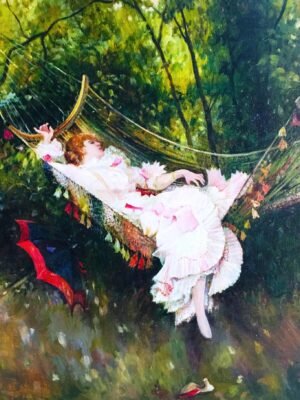

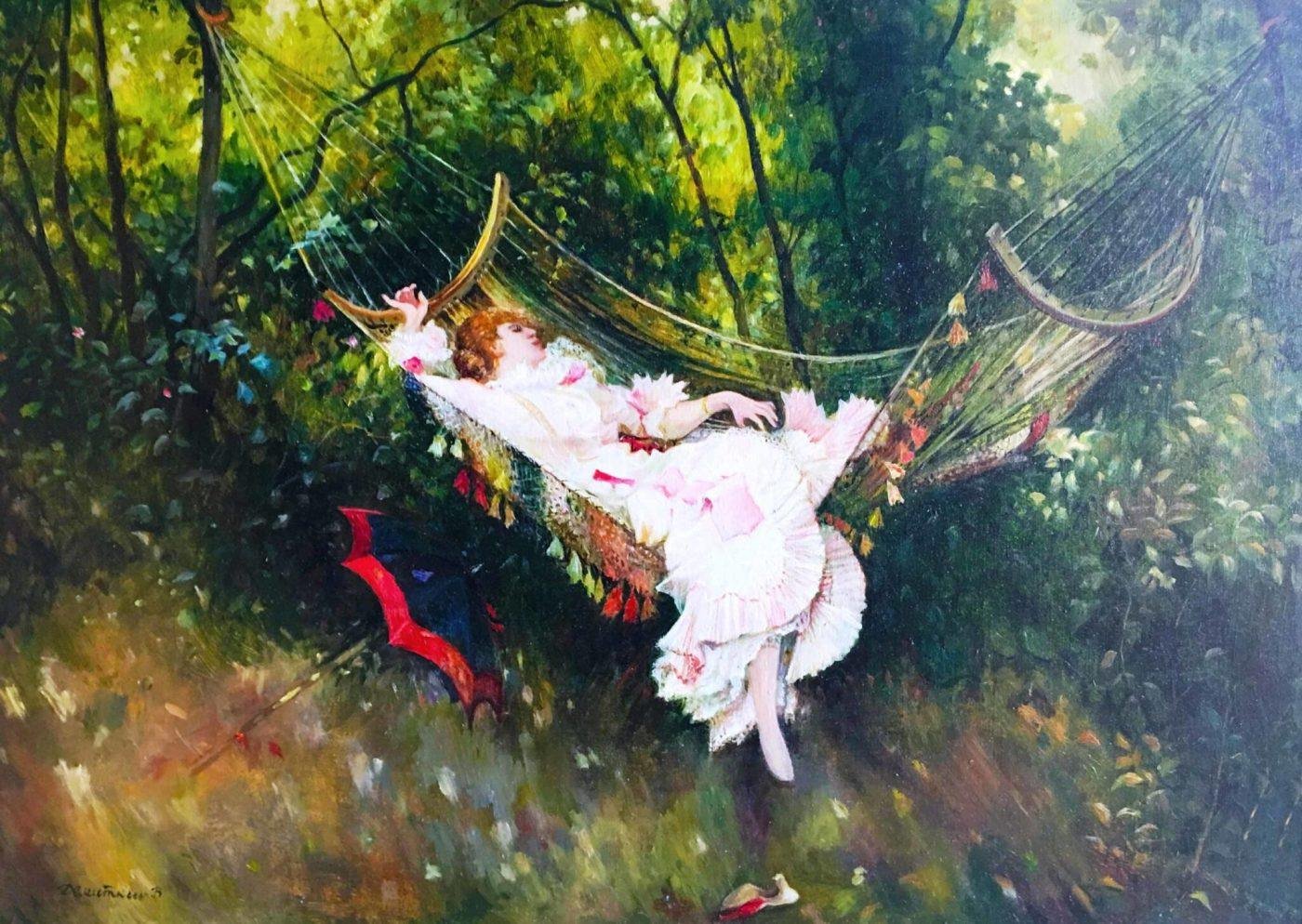
Woman in Hammock
2001
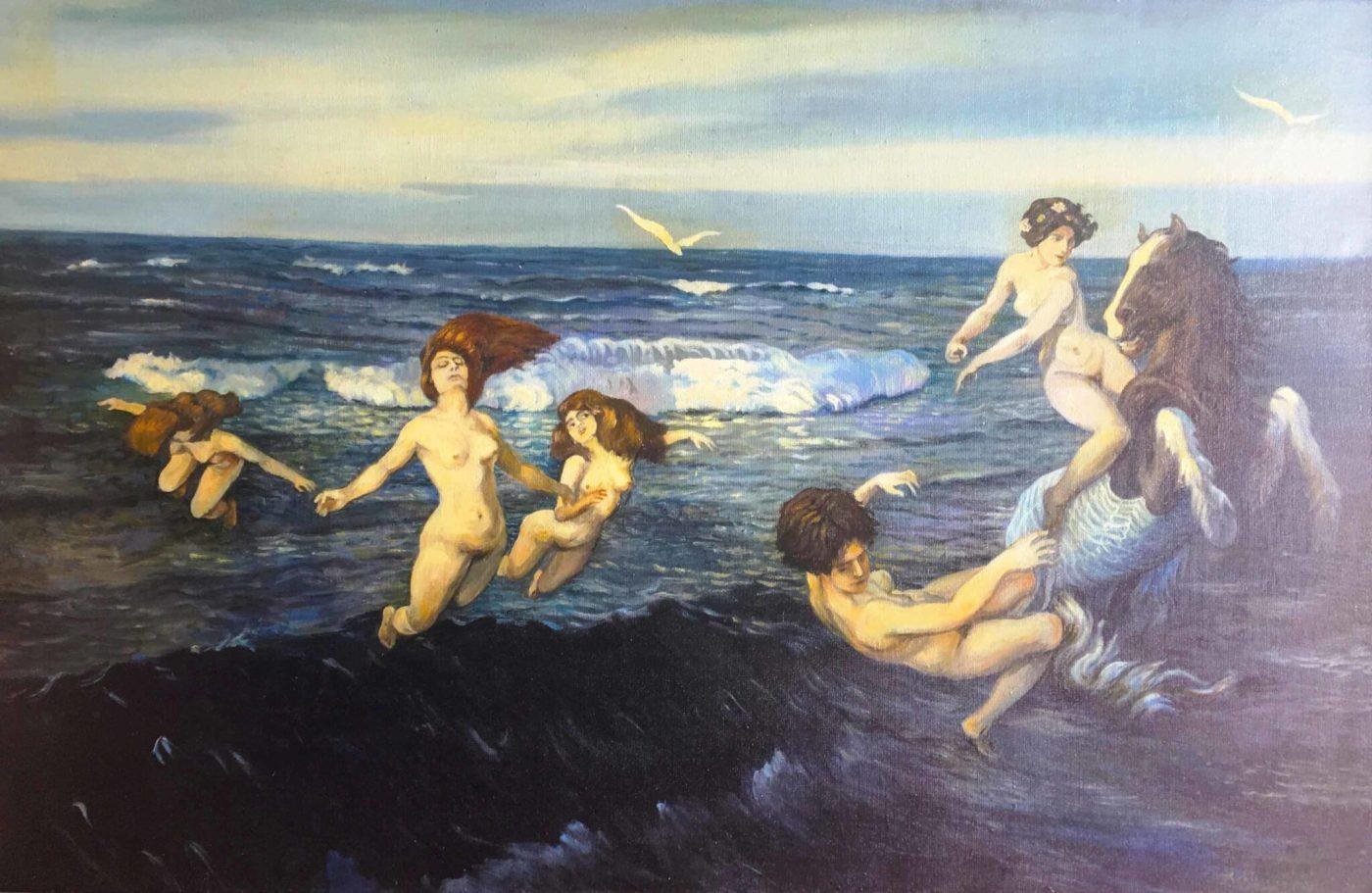
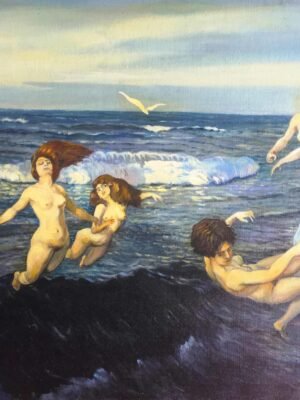
Spirits of the Sea
2001
I’m Sad
2001

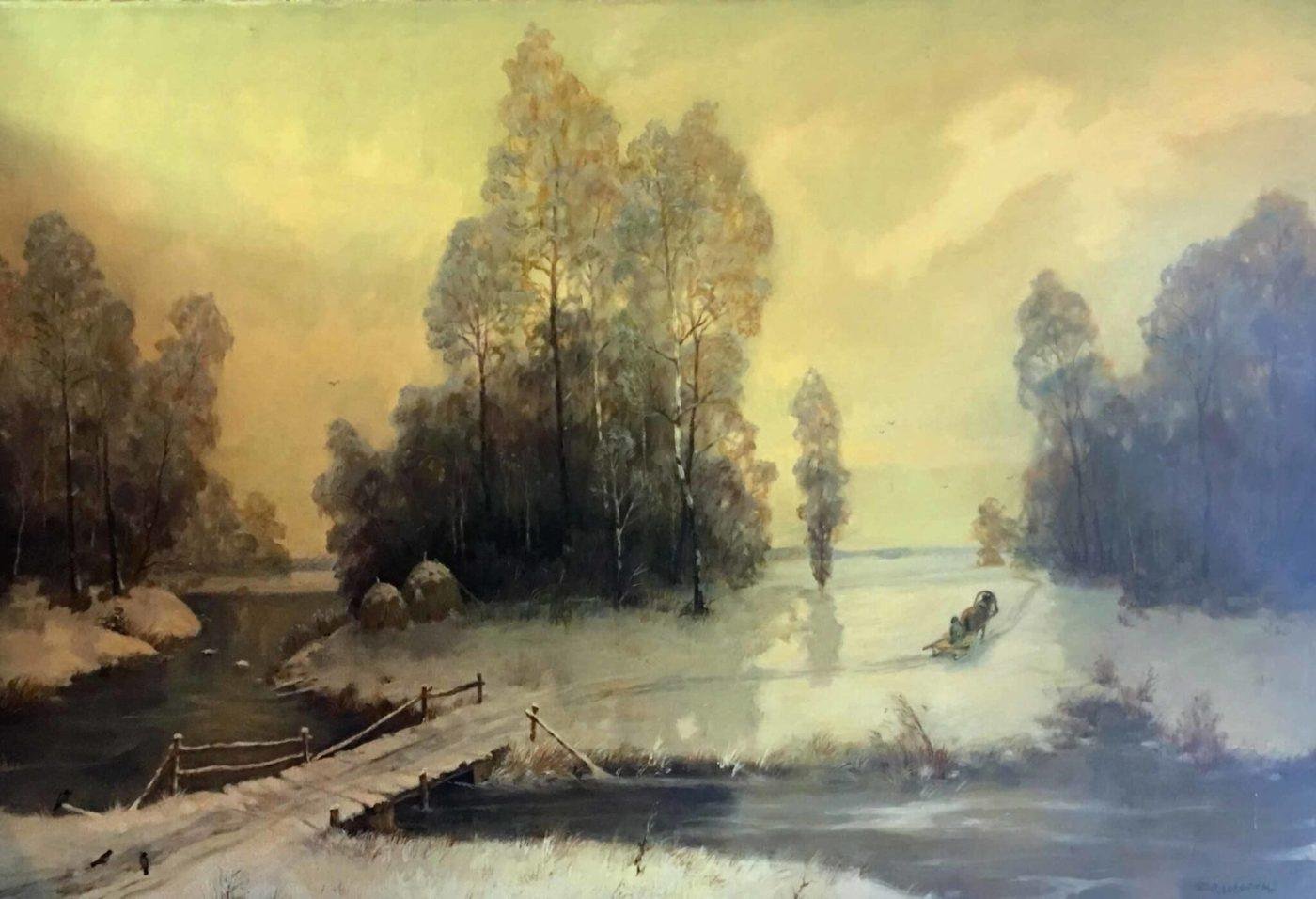
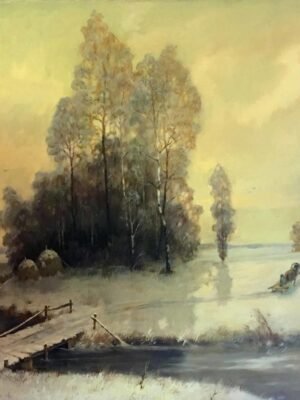
Winter Trail
2001
In this early work the artist depicts the kind of genre motif of nature in spring that was traditional for the Russian school of landscape paintings. This picture is a unique manifesto by the painter, who is turning to the tradition of the peasant genre in the works of V.A. Serov and K.A. Korovin. The artistic quality of glazing color transitions and the deep development of soft brown-ochre warm tones allow us to place the picture among the genuine masterpieces of the Leningrad school of painting.
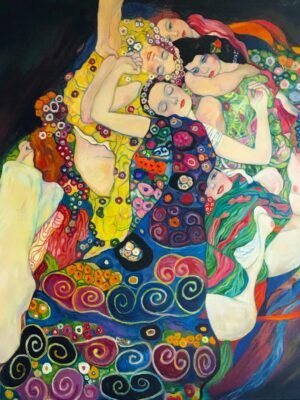
Dance of Bodies
2001