

FAMOUS ARTISTYuriy Kuznetsov
‘’Art is the queen of all sciences communicating knowledge to all the generations of the world.’’ Leonardo da Vinci
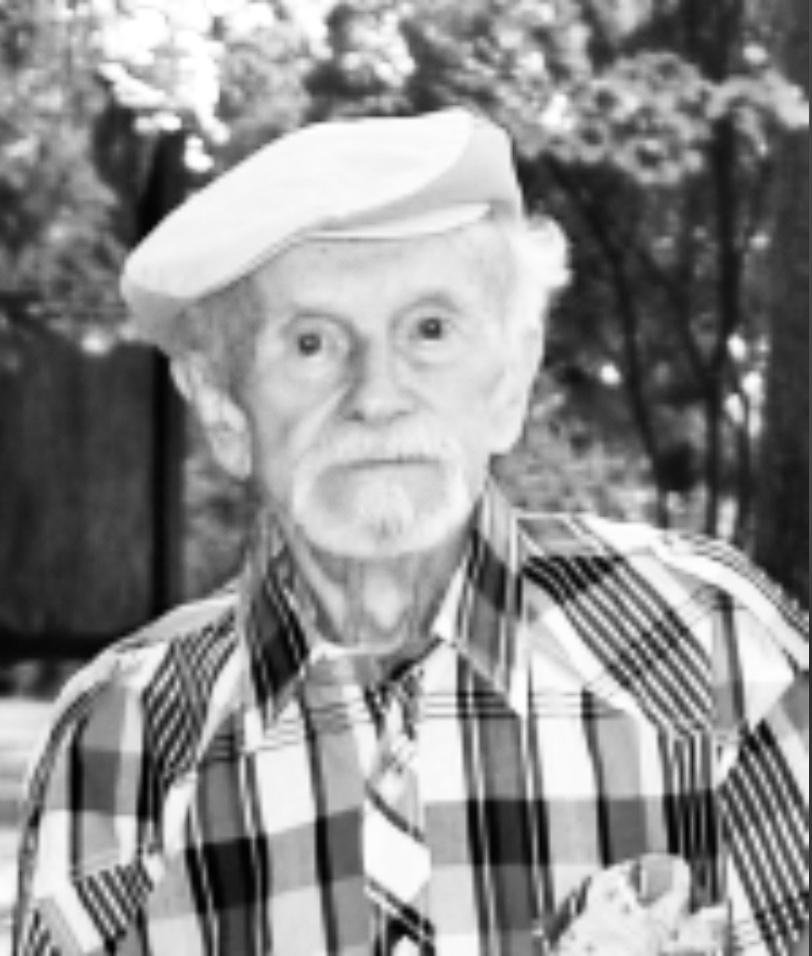
Biography of Yuri Mikhailovich Kuznetsov
Russian Painter | Member of the Union of Artists of the USSR
Yuri Mikhailovich Kuznetsov was born on November 3, 1930, in the town of Gorokhovets, Russia. He graduated from high school in his hometown, where his passion for art began to take shape.
Early Education and Artistic Development
In 1947, after completing high school, Kuznetsov moved to Vladimir to study at the Artistic Craft School. During his time there, he had the privilege of learning from several prominent Moscow artists who were living and working in Vladimir at the time. His professors included renowned painters such as N.P. Sychev, F. Zakharov, and S. Preobrazhensky. The rigorous instruction of these masters, many from the old school of Russian painting, had a profound influence on his development. His education placed a significant emphasis on sketching, which became a vital part of his artistic approach.
Restoration Work and Military Service
After graduating in 1950, Kuznetsov began working in a restoration workshop under the guidance of Professor N.P. Sychev, where he was exposed to the ancient murals and the beauty of icon painting. This experience not only deepened his understanding of classical Russian art but also ignited his passion for preserving the country’s cultural heritage.
In 1952, Kuznetsov served in the Armed Forces for two years. During this time, he continued to develop his artistic skills in his free time, remaining dedicated to his craft.
Professional Artistic Career
In 1955, Kuznetsov moved to Podolsk and began working in the art workshops. His dedication to his craft led to participation in Republican, All-Union, and various international exhibitions. He traveled extensively with art groups across the country and abroad, further broadening his artistic horizons and gaining invaluable experience.
In 1961, Kuznetsov became a member of the Union of Artists of the USSR, marking a major milestone in his professional career. A year later, in 1962, he was accepted into the Moscow Union of Artists, where he worked as part of the MOSH (Moscow Artists’ Union). His life and career became inseparable from painting, and over the years, his works were showcased in numerous personal and group exhibitions in Moscow, as well as Republican and All-Union exhibitions.
Exhibitions and Recognition
Kuznetsov’s art gained widespread recognition through his solo exhibitions held throughout Russia and abroad. Key exhibitions include:
1965: Solo exhibition in Moscow, Trofimov Street Exhibition Hall.
1967: Solo exhibition in Podolsk, Kirov Street Exhibition Hall.
1978, 1983: Solo exhibitions in Moscow, Leningradsky Prospect Exhibition Hall.
1982: Solo exhibition in Moscow, Vavilova Street Exhibition Hall.
1993-1996: Series of solo exhibitions in the Central House of Artists in Moscow.
1994: Solo exhibition in Otaru, Japan, at the Museum of Russian Art.
1997: Solo exhibition in Nizhny Novgorod, Pokrovka Street Exhibition Hall.
1998: Solo exhibition in Dzerzhinsk, Local Lore Museum Exhibition Hall.
2000: Solo exhibition in Moscow, Painting Combine Exhibition Hall (1st Tverskaya-Yamskaya Street).
2001: Solo exhibition in Moscow, International Art Fund Exhibition Hall.
2005: Participant in Art-Salon at the Central House of Artists in Moscow.
2007: Solo exhibition in Murom, Exhibition Hall.
2008: Solo exhibition in Moscow, 1st Tverskaya-Yamskaya Street Exhibition Hall.
2011: Personal exhibition in Gorokhovets.
Artistic Style and Legacy
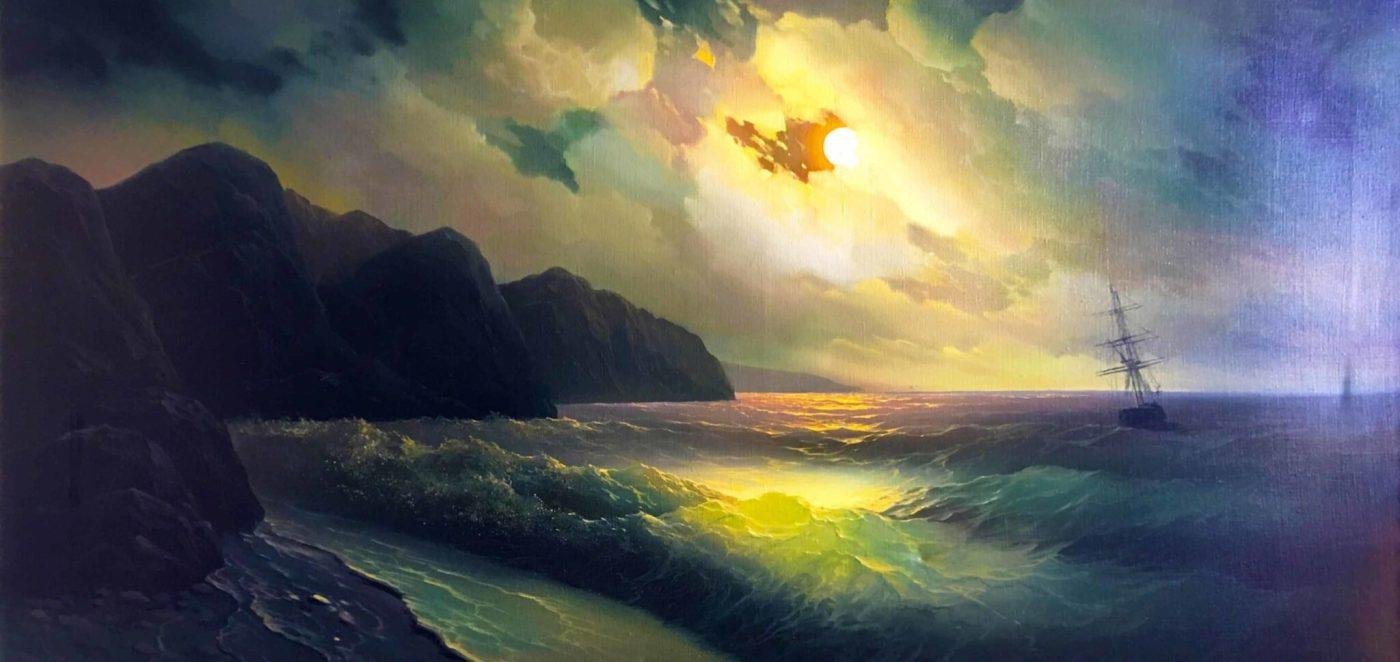
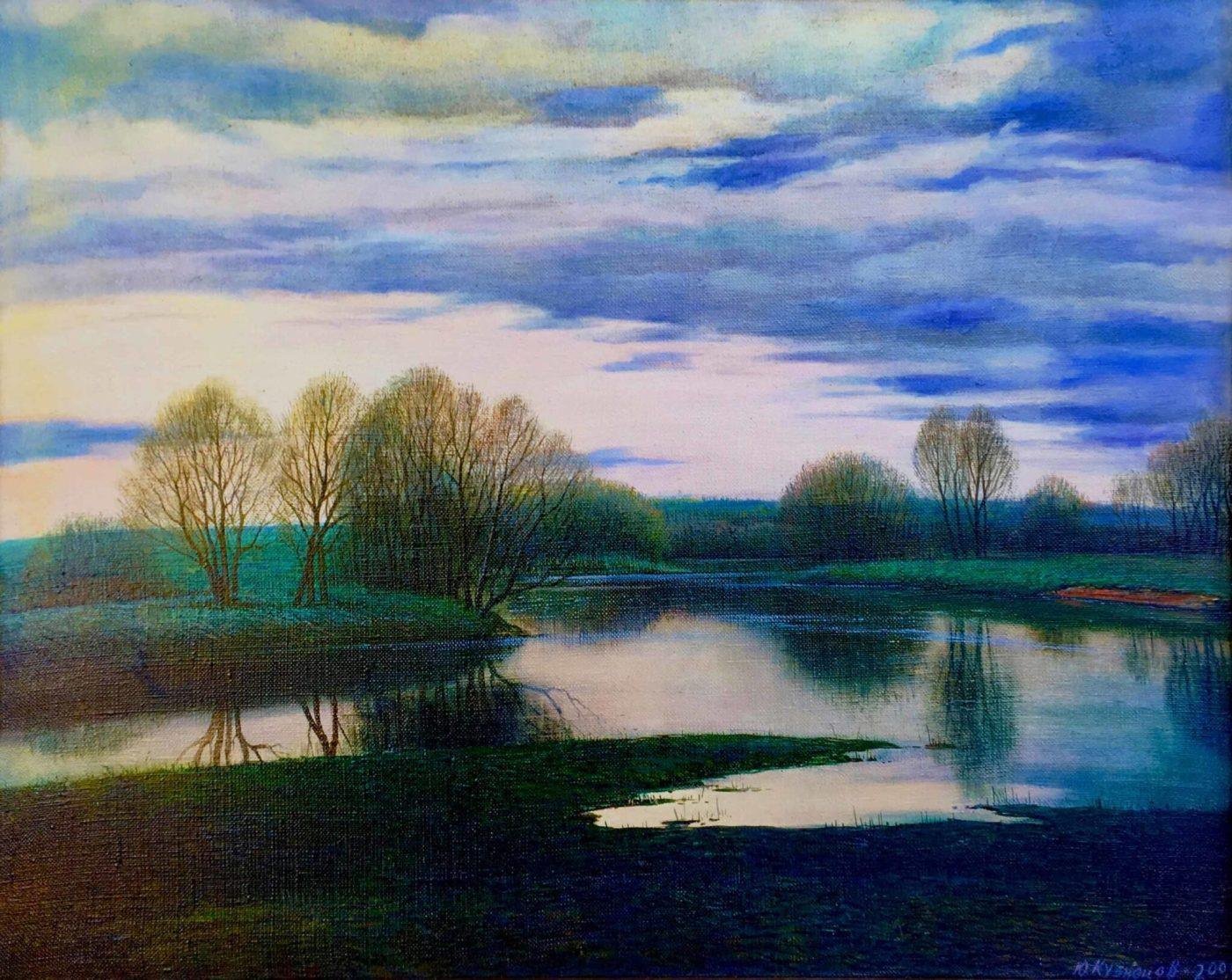
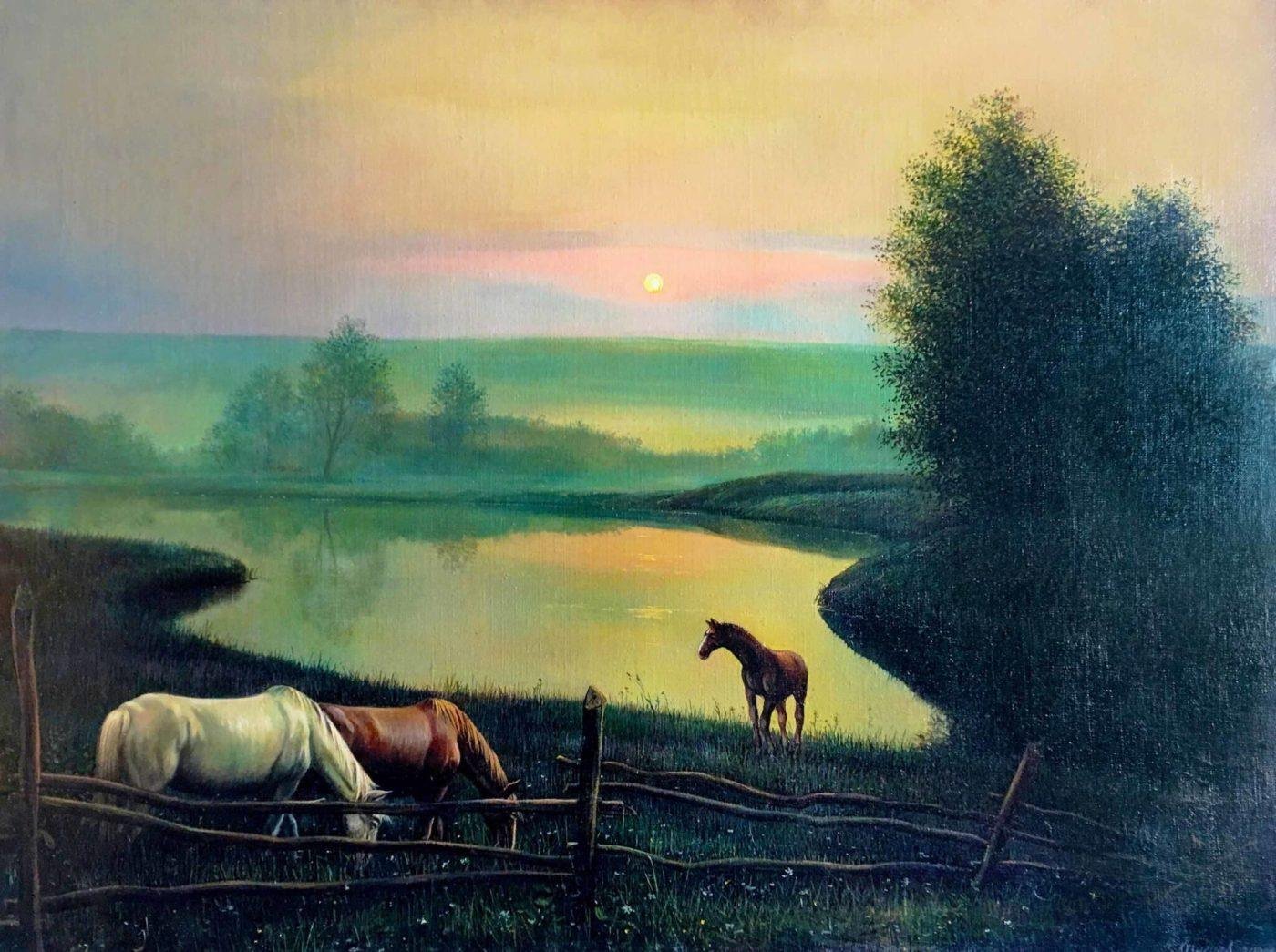
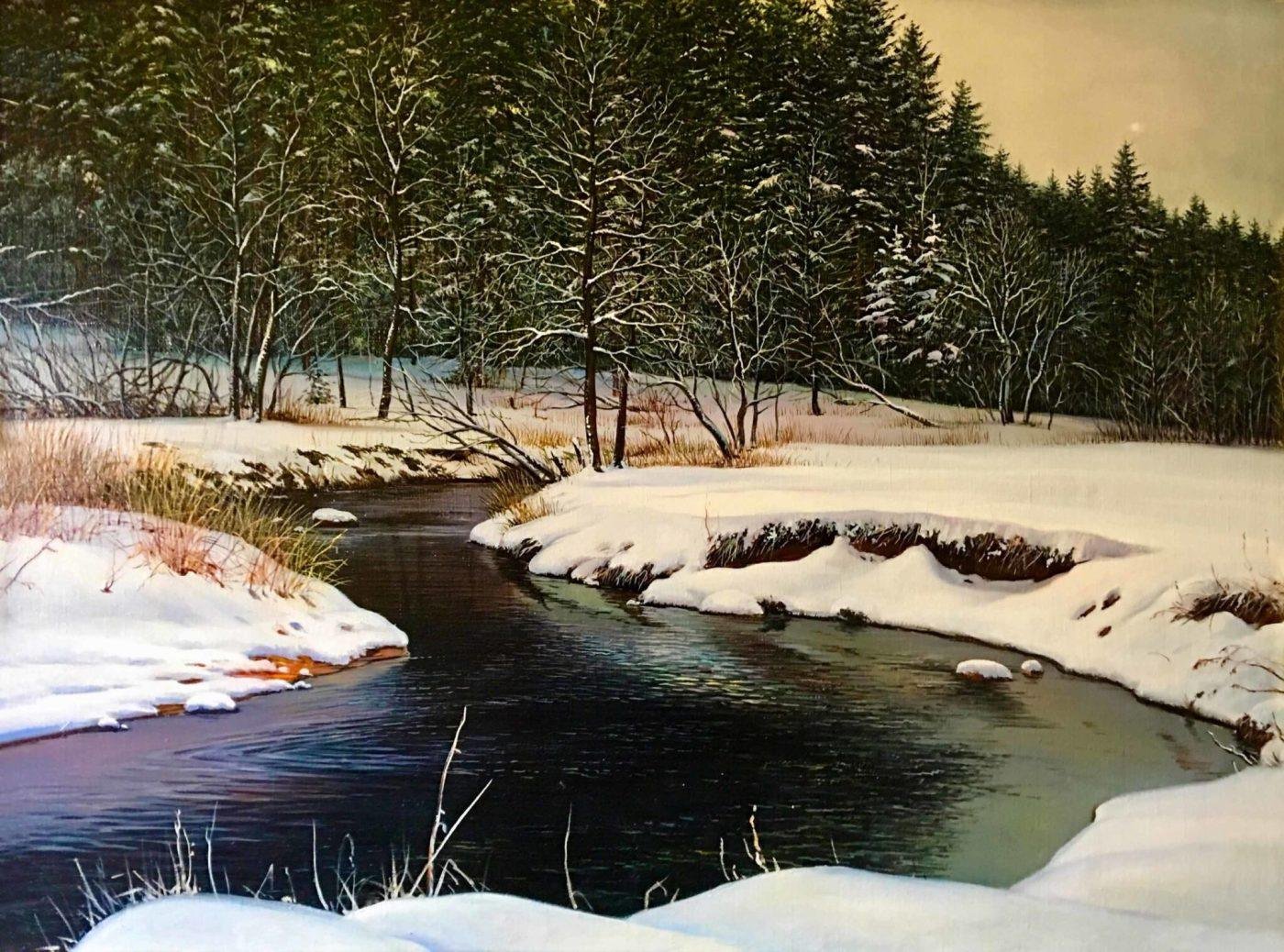
Kuznetsov’s paintings encompass a wide range of themes, including landscapes, portraits, still lifes, and genre works. His art reflects the serene beauty of rural life and provincial cities, capturing the tranquility and harmony of the human soul far from the hustle and bustle of urban life.
Through his works, Kuznetsov conveys a deep sense of vitality and joy of being, filled with an inherent goodness and beauty. His paintings are not merely depictions of nature but are imbued with philosophical and emotional depth. The quiet simplicity of his subjects is often seen as a testament to the enduring spirit of rural life and the timeless beauty of the natural world.
Yuri Mikhailovich Kuznetsov passed away on September 20, 2014, in Moscow, but his artistic legacy continues to inspire. His paintings remain highly valued in both public and private collections, and his exhibitions continue to be a tribute to his profound contribution to Russian art.
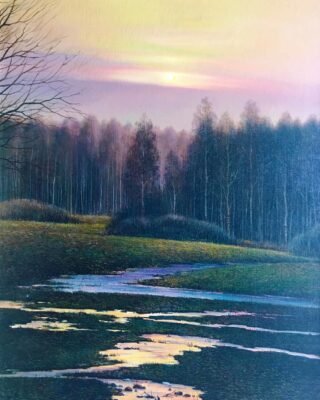
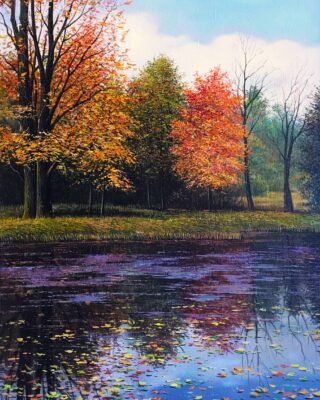
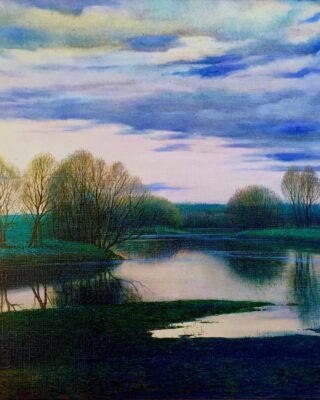
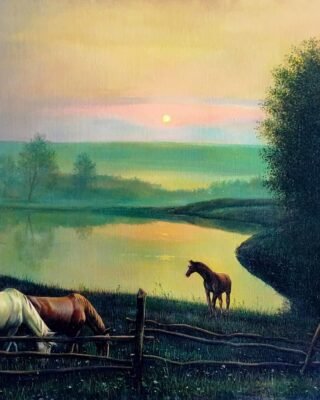
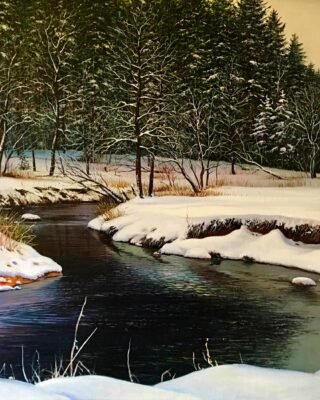

Alone With Nature
2001
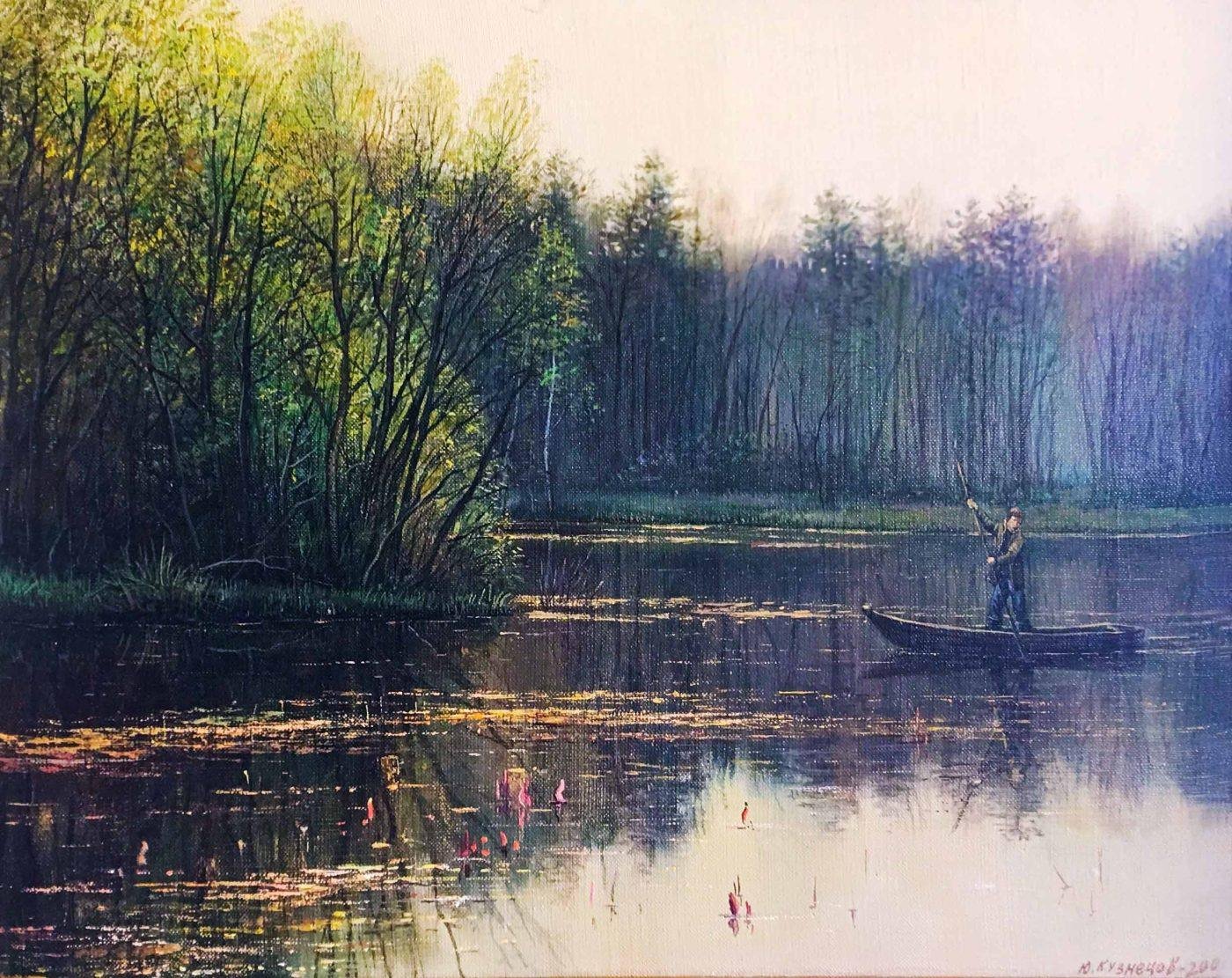
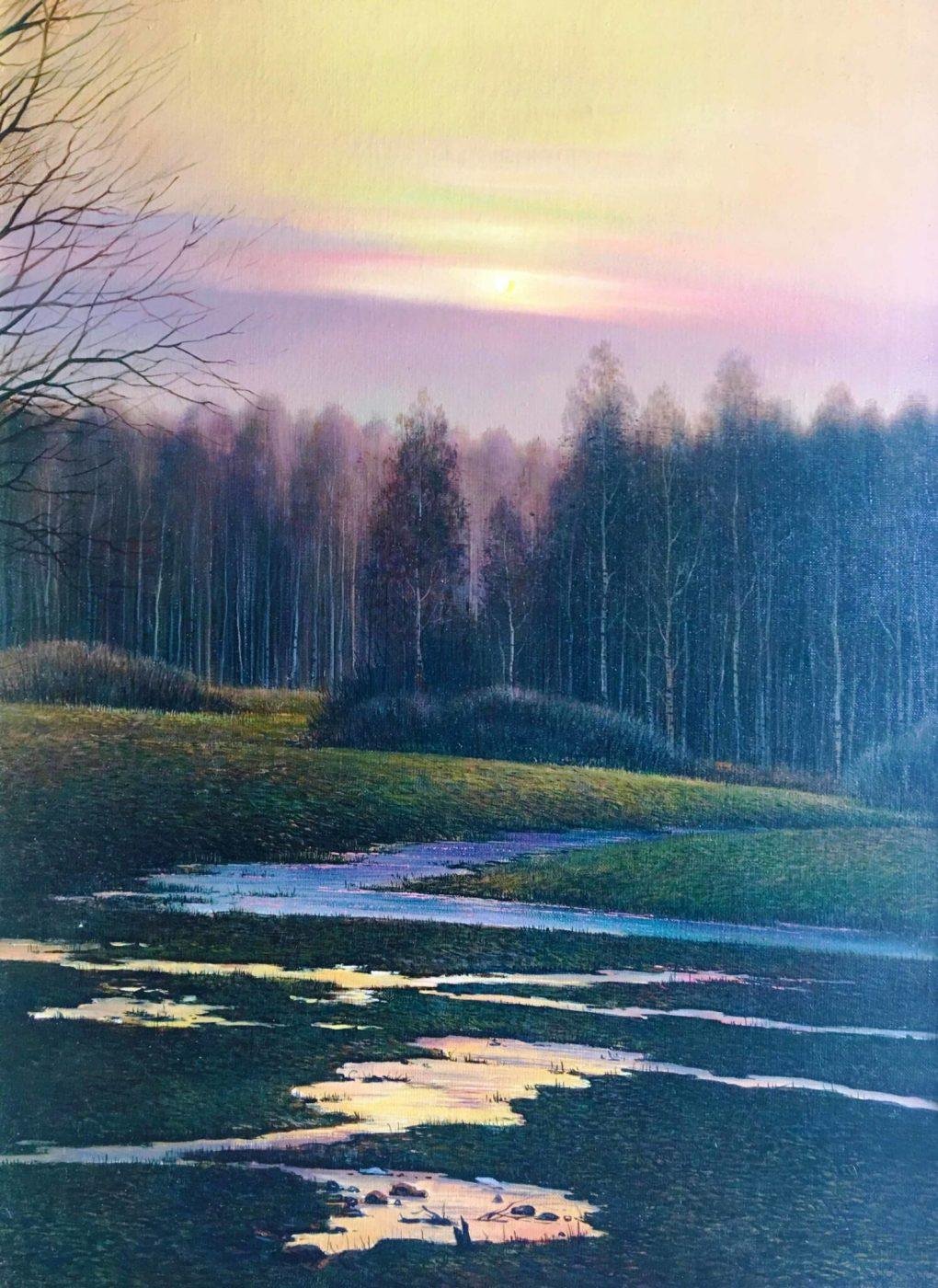
Early Spring
2001
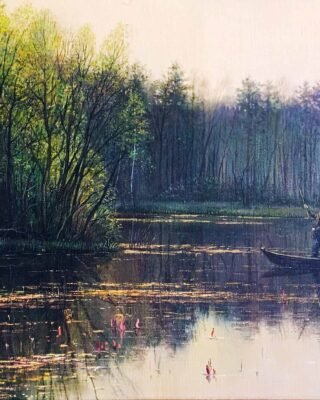
Landscapes occupy a special place in Soviet art, preserving for the spectators the national folkloric orientation in painting defined originally by the art of V.M. Vasnetsov and M.V. Nesterov.
Untouched lakes, forest thickets, fairy-tale primeval places and the perception of nature were the themes and motifs of the mature Kuznetcov style which the artist called a mystical landscape
Reflection of Autumn
2001
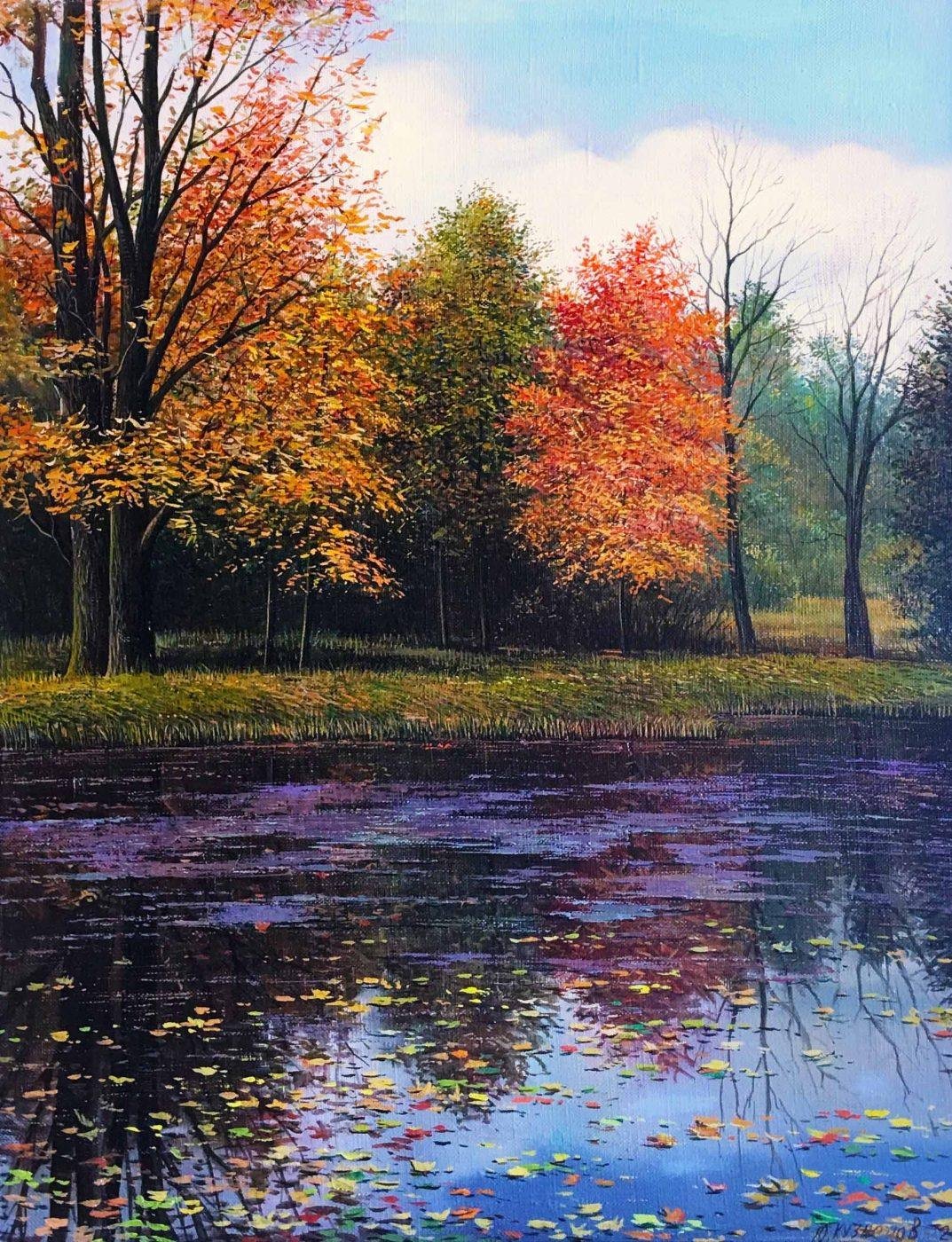
Still Water
2001
Tranquility of Evening
2001
Quiet River
2001
High Tide
2001